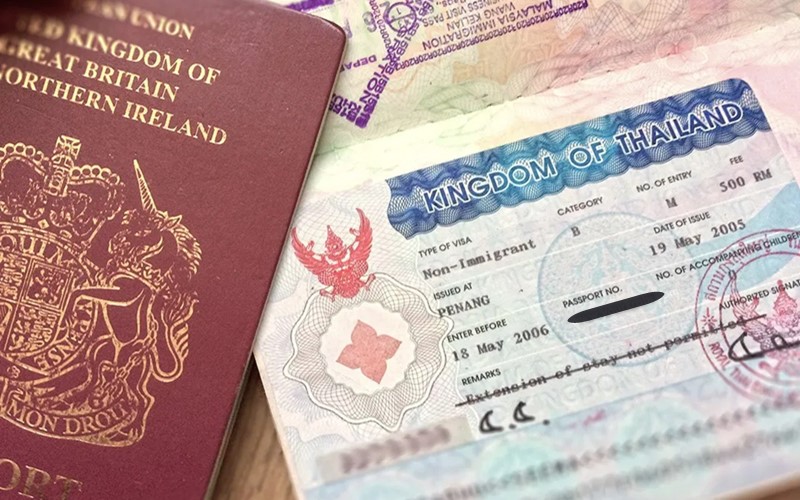
Tourist Visa in Thailand. Thailand remains one of the world’s most popular tourist destinations — but the entry rules and operational details have recently changed and become more digital. Below is a practical, step-by-step guide you can use right now: what entry routes exist (visa-exemption, e-visa, visa-on-arrival, tourist visas), how long you can stay, how to extend, the new digital arrival requirements, common operational pitfalls and a ready checklist for every traveler.
Entry routes — pick the right one for your trip
There are four common short-stay routes visitors use:
-
Visa-exemption (visa-free) entry — Nationals of many countries may enter Thailand without a consular visa for tourism and receive up to 60 days on arrival (noting conditional limits for some land border entries). This stay is normally extendable once by up to 30 days at an immigration office.
-
E-Visa / consular tourist visa (60-day) — If you are not eligible for visa-exemption or prefer to secure permission before travel, apply via the official Thai e-Visa portal (www.thaievisa.go.th). The standard tourist e-visa typically grants 60 days on entry and can generally be extended for a further 30 days inside Thailand. Use the e-Visa when you want certainty before departure.
-
Visa on Arrival (VOA) — Nationals of specific countries may obtain a VOA for short stays at certain ports of entry. VOA rules and the list of eligible countries vary; check the embassy or consulate guidance before travel.
-
Multiple-Entry Tourist Visa (METV) — where available from a Thai mission, the METV allows several entries during the visa validity; each arrival normally gives the same permitted per-visit stay (commonly 60 days) and can be extended once in country. Availability varies by embassy.
Which to use: choose visa-exemption or e-Visa for short leisure trips; use VOA only if your nationality is accepted and you lack a nearby embassy; apply for a consular or multiple-entry tourist visa when you require certainty, repeated travel, or will exceed the visa-free allowance.
How long you can stay — the typical numbers (and the trap)
The common pattern today is 60 days on arrival for visa-exempt travelers and 60-day tourist visas, with a standard extension of up to 30 days available from Immigration (making a practical maximum of 90 days without switching visa types). Extensions are discretionary — Immigration will check your reason for staying and your documentation. Don’t assume extensions are automatic.
Recent reforms in 2024–2025 expanded the visa-exemption coverage and standardized the 60-day stay for many nationals, but immigration still has the discretion to stamp shorter stays or refuse an extension based on purpose or evidence. Always check your stamp on arrival and confirm the expiry date.
New digital arrival & pre-travel measures — TDAC and ETA plans
Thailand has moved to digital arrival processing. From May 2025 all travelers must complete the Thailand Digital Arrival Card (TDAC) online prior to arrival (it replaces the old paper TM6). The TDAC must be filled in at least the time period the Immigration site specifies (generally 72 hours before arrival) and is free to use. This is now a universal requirement at air, land and sea ports (transit exempt in limited circumstances).
Separately, the government has signaled the introduction of an Electronic Travel Authorization (ETA) for visa-exempt nationals (a pre-screening system similar to other countries’ ETAs), but rollout timing and scope vary by announcement — always check the MFA/e-visa site before you travel.
Documents you will be asked for (practical list)
Immigration and embassies commonly require:
-
Passport with at least 6 months validity from date of entry and at least one blank page.
-
Return / onward ticket showing exit from Thailand within your permitted stay.
-
Proof of funds (some missions or immigration counters request recent bank statements or cash showing you can support your stay).
-
Hotel / accommodation details or address of where you will stay.
-
For e-visa: digital scans of passport, passport photo and supporting documents uploaded to the e-visa portal.
Bring originals and one set of printed copies. Immigration officers frequently ask to see physical documents at entry even where you submitted e-paperwork.
Extending your stay (how it works, fastest route)
If you want to stay beyond your initial stamp:
-
Go to the nearest Immigration Office (main branch in Bangkok or provincial office). Bring your passport, departure card (if you still have it), and reasons for the extension (hotel booking, flight booking, medical certificate if medical reasons).
-
Apply for a 30-day tourist extension — the fee is nominal (check current fee at the Immigration website). Approvals are discretionary; apply well before your stamp expires to avoid overstay. Practical tip: have proof of onward travel and funds.
If Immigration refuses an extension and you continue to stay, you risk fines, detention and future entry bans — always plan exit or change of status in good time.
Overstay risks, fines and bans — don’t gamble
Overstaying is a civil offence with monetary fines (per day) and potential deportation or entry bans for serious or prolonged overstays. Enforcement is real — budget to leave or regularize status before expiry. If you do accidentally overstay, contact immigration counsel promptly; voluntary surrender may reduce penalties. (Practical rule: treat visa expiry dates as hard deadlines.)
Operational tips & common traveler mistakes
-
Check your actual arrival stamp. The immigration stamp governs your stay, not your expectation. If the officer gives you fewer days than you expected, don’t argue — ask politely and plan to extend if permitted.
-
Fill TDAC in advance and save the confirmation — some airlines check before boarding.
-
Keep originals of bank statements and onward ticket when entering; digital copies alone sometimes get rejected.
-
Avoid “visa-run” reliance. Frequent short exits and re-entries to reset a stamp attract scrutiny and can lead to refusals; if you intend long stays consider a long-stay visa (retirement, business, digital-nomad/LTR where eligible).
-
Use the e-Visa portal for certainty. If you want to avoid arrival-line uncertainty, apply via the official e-visa route (thaievisa.go.th) and print the approval letter.
When to get help (and who to call)
-
Embassy/consulate: pre-travel questions, visa refusals, lost passport abroad.
-
Thai Immigration Bureau: extensions, stamp clarifications and reporting requirements.
-
Local lawyer / visa agent: complex status changes, appeals of refusals or long-stay planning (retirement, business, LTR).
-
Airline: airlines sometimes refuse boarding if TDAC or e-visa steps aren’t done; check early.
Quick traveler checklist (print this and carry it)
-
Passport (≥6 months) + photocopy.
-
TDAC confirmation filled online before travel.
-
If required, e-Visa approval letter printed (apply at thaievisa.go.th).
-
Return/onward ticket + accommodation booking.
-
Recent bank statement or proof of funds (printed).
-
Travel insurance (recommended).
-
Emergency contacts: local embassy, airline, and your accommodation.
Final practical note
Thailand’s short-stay rules are simple in headline — many visitors get 60 days on arrival and may apply for a 30-day extension — but the ecosystem has become more digital and administratively specific (TDAC, e-Visa, ETA signals). Always check the official Thai e-Visa portal and the nearest Royal Thai Embassy/Consulate for the latest requirements for your nationality and point of departure, complete the TDAC before travel, bring originals of key documents and apply for any extension well before your stamp expires.