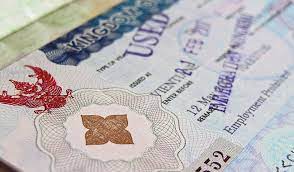
A business visa in Thailand is a non-immigrant visa category designed for foreign nationals who intend to enter Thailand for business-related purposes that do not constitute tourism. While often associated with employment, a business visa primarily facilitates activities such as company formation, meetings, negotiations, and preparatory work. Understanding the scope, limitations, and compliance requirements of Thailand’s business visa system is essential for foreign investors, executives, and professionals engaging with the Thai market.
This article provides a detailed explanation of the Thailand business visa, including its legal basis, visa categories, permitted activities, application process, extensions, and common compliance issues.
1. Legal framework governing business visas
Thailand’s business visa regime is governed by:
-
The Immigration Act B.E. 2522 (1979)
-
Ministerial regulations and immigration notifications
-
Policies of Thai embassies, consulates, and the Immigration Bureau
These authorities regulate visa issuance, length of stay, conditions, and enforcement.
2. Non-Immigrant “B” Visa explained
The primary business visa is the Non-Immigrant “B” Visa. It is issued to foreigners who:
-
Intend to conduct business activities
-
Seek employment with a Thai company
-
Represent foreign companies in Thailand
The visa itself does not authorize work but serves as a prerequisite for obtaining a work permit.
3. Purpose of a business visa
Business visas are intended for activities such as:
-
Attending meetings and conferences
-
Conducting market research
-
Negotiating contracts
-
Establishing or managing a company
-
Engaging with Thai partners or authorities
Any activity involving productive labor or service delivery generally requires a work permit in addition to the visa.
4. Distinction between business visa and tourist visa
A tourist visa permits leisure-related activities only. Using a tourist visa for business purposes can result in visa cancellation or denial of entry. Business visas provide:
-
A lawful basis for business engagement
-
Eligibility for work permit applications
-
Longer and more flexible stay options
Choosing the correct visa category is critical.
5. Single-entry and multiple-entry business visas
Business visas may be issued as:
-
Single-entry visas, valid for one entry and a limited stay
-
Multiple-entry visas, allowing repeated entries during the visa’s validity
Each entry is subject to immigration clearance and permitted stay limits.
6. Eligibility requirements
Applicants typically must demonstrate:
-
A valid passport
-
Sponsorship or invitation from a Thai entity
-
Evidence of business purpose
-
Financial means to support their stay
Embassies retain discretion to request additional documentation.
7. Sponsorship by a Thai company
Most business visa applications require a Thai sponsor, such as:
-
A registered Thai company
-
A BOI-promoted enterprise
-
A government agency or organization
The sponsor must provide corporate documents confirming legitimacy and business need.
8. Business visa for company directors and investors
Foreign directors and shareholders may obtain business visas to:
-
Establish companies
-
Oversee operations
-
Represent foreign parent entities
However, active management or operational roles still require work permits.
9. Business visa and work permit linkage
A business visa is usually a prerequisite for:
-
Applying for a Thai work permit
-
Extending stay based on employment
Without a work permit, the visa alone does not authorize employment.
10. Application process
Business visa applications are typically submitted at:
-
Thai embassies or consulates abroad
-
Authorized online visa platforms
Applications must be made outside Thailand unless specific exceptions apply.
11. Required documentation
Common documents include:
-
Invitation or employment letter
-
Company registration and shareholder details
-
Financial statements
-
Business plans or project descriptions
Incomplete or inconsistent documentation may lead to refusal.
12. Length of stay and extensions
Upon entry, immigration grants a permitted stay, which may be extended:
-
Based on continued business purpose
-
Upon issuance of a work permit
-
At the discretion of immigration authorities
Extensions require timely application and compliance.
13. Multiple-entry considerations
Multiple-entry business visas allow flexibility for frequent travel but:
-
Do not eliminate work permit requirements
-
Still require compliance with permitted stay periods
Overuse may invite scrutiny.
14. Restrictions and prohibited activities
Even with a business visa, foreigners may not:
-
Work without a permit
-
Engage in prohibited occupations
-
Operate a business unlawfully
Violations carry serious penalties.
15. Business visas under BOI promotion
BOI-promoted companies benefit from:
-
Facilitated visa issuance
-
Simplified extension procedures
-
Support for foreign executives and experts
These privileges make BOI promotion attractive for foreign investors.
16. Compliance and reporting obligations
Visa holders must:
-
Maintain lawful immigration status
-
Report address where required
-
Renew visas and permits on time
Non-compliance may result in fines or revocation.
17. Business visa and dependents
Business visa holders may sponsor dependents under appropriate visa categories, subject to eligibility and financial requirements.
18. Common reasons for visa refusal
Applications may be refused due to:
-
Insufficient evidence of business purpose
-
Prior immigration violations
-
Weak or non-existent sponsorship
-
Inconsistencies in documentation
Refusals can impact future applications.
19. Transition to long-term visas
Business visas often serve as a gateway to:
-
Long-term employment visas
-
Investment-based visas
-
Permanent residency applications
Proper planning ensures continuity of status.
20. Conclusion
The business visa is a critical component of Thailand’s immigration framework for foreign professionals, investors, and entrepreneurs. While it enables lawful entry and business engagement, it operates within a tightly regulated system that separates visa status from work authorization.
Understanding the scope, limitations, and compliance obligations of a business visa is essential for avoiding legal issues and ensuring smooth business operations in Thailand. With proper documentation, sponsorship, and adherence to immigration rules, the business visa can serve as an effective gateway to Thailand’s dynamic commercial environment.